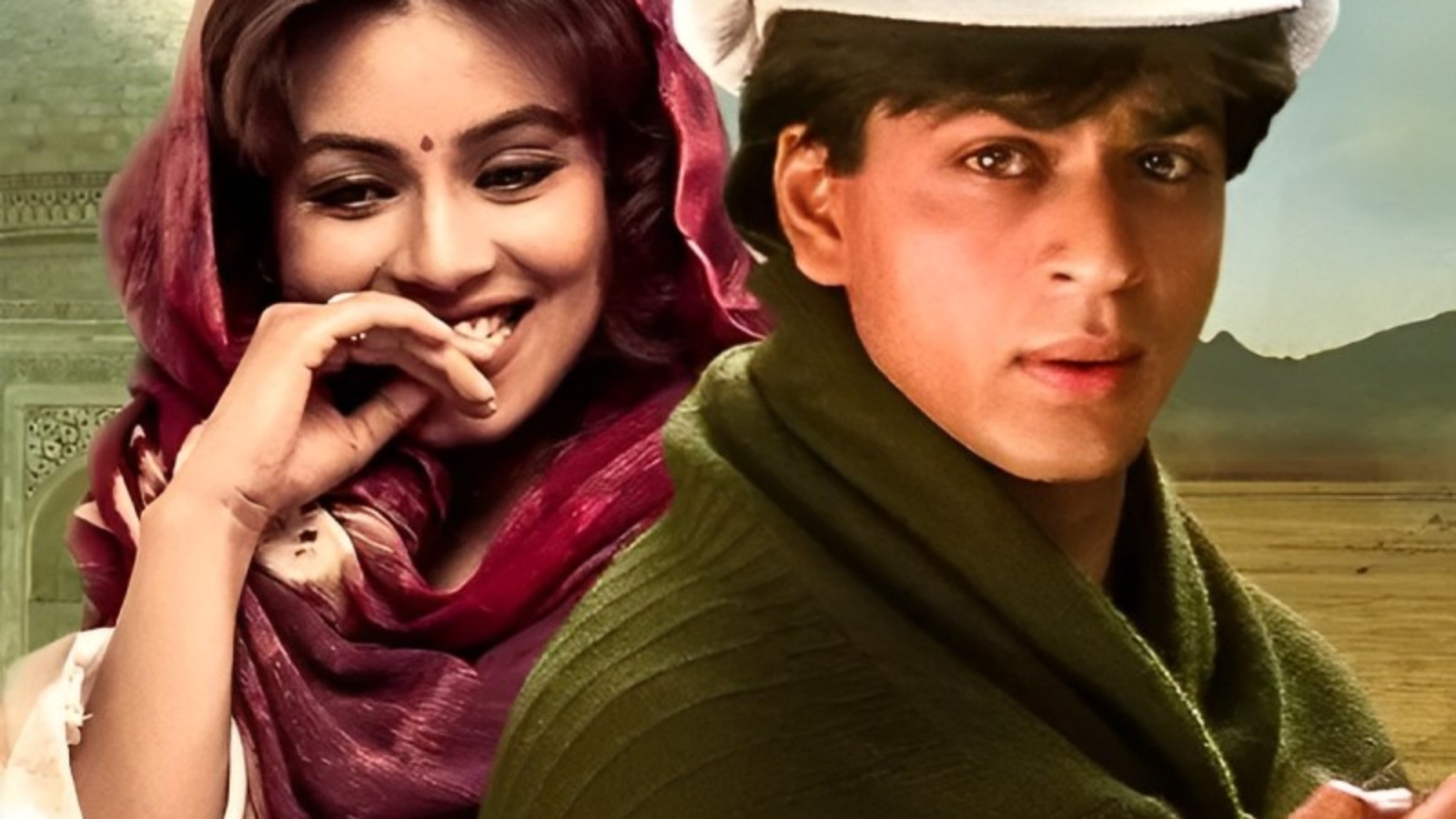
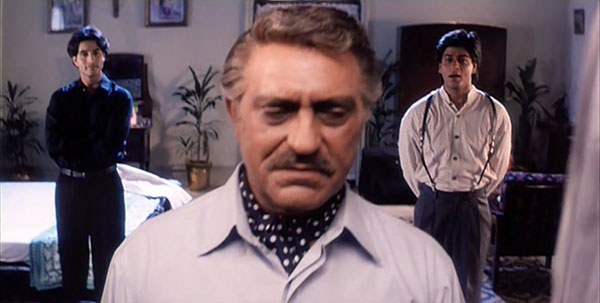
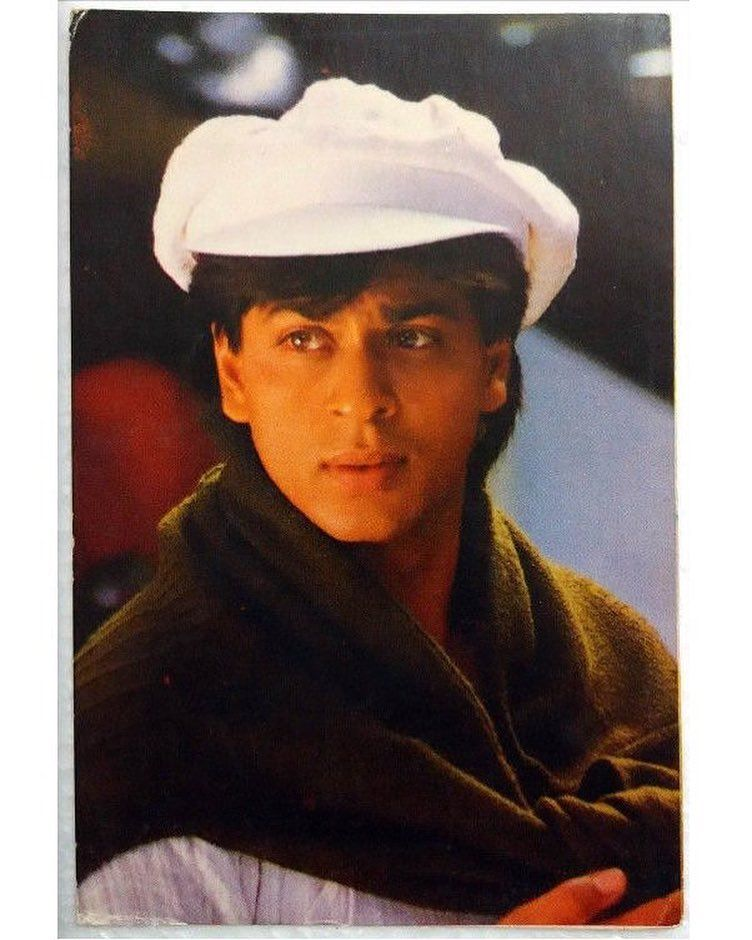
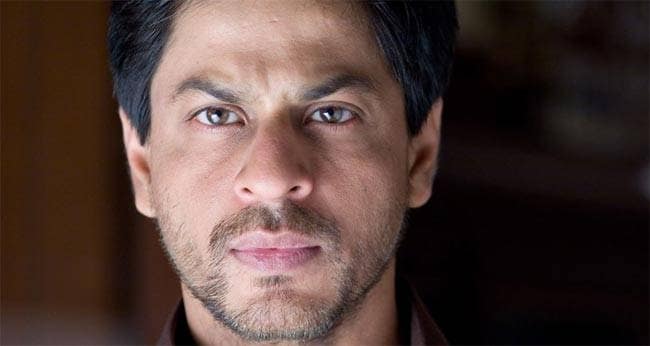
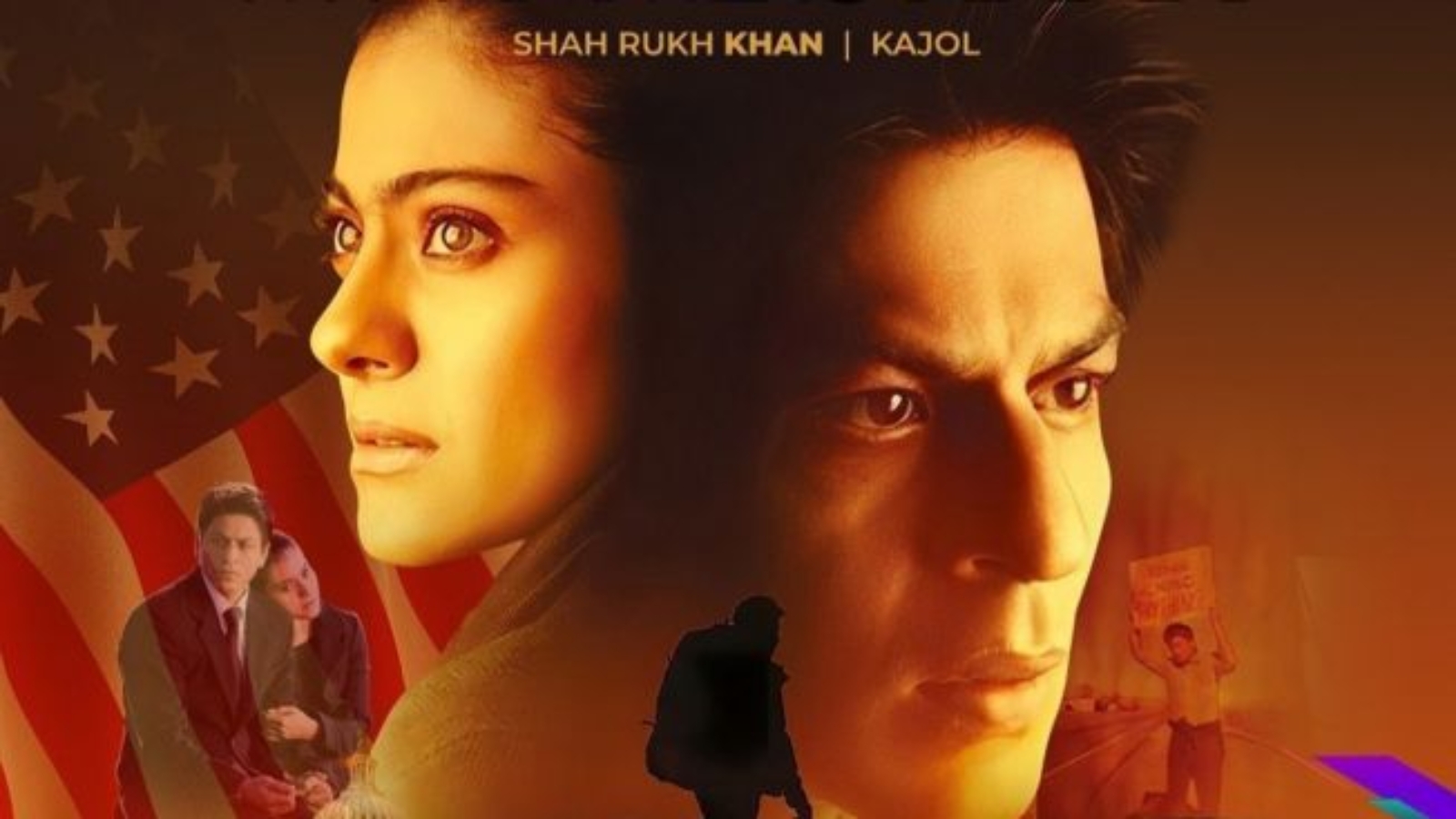
Shah Rukh Khan, often referred to as the “King of Bollywood,” is celebrated for his versatile acting skills and the remarkable characters he has portrayed over the years. One of his most memorable and critically acclaimed roles is that of Mohan Bhargava in the 2004 film “Swades.” This article delves deep into the cinematic brilliance of Shah Rukh Khan in “Swades,” exploring the narrative, emotions, romance, patriotism, and the overall impact of this cinematic gem. But, Shah Rukh Khan’s brilliance isn’t the only highlight of this film. “Swades” is a collaborative masterpiece, and it’s imperative to acknowledge the contributions of the other talented artists who made this film an enduring classic.
In “Swades,” Shah Rukh Khan brings to life the character of Mohan Bhargava, a successful NASA scientist who embarks on a journey to reconnect with his roots in a small Indian village. The transformation from a detached, career-driven scientist to a man deeply moved by the plight of his fellow countrymen is a testament to Khan’s acting prowess.
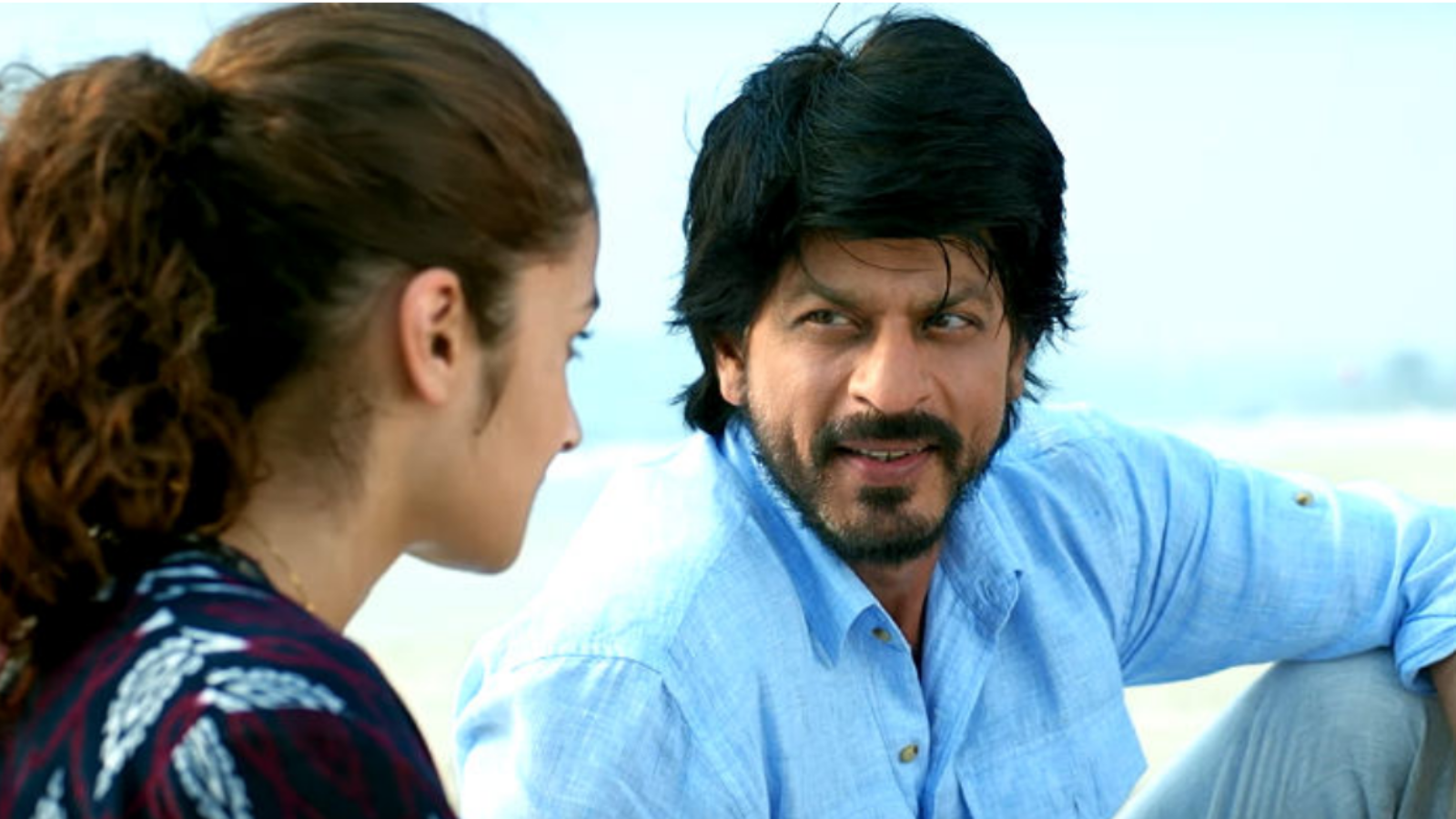
Shah Rukh Khan’s portrayal of Mohan is a true tour de force. His ability to convey a wide range of emotions is exceptional, and it’s evident in every frame of the movie. From the initial sense of detachment to the growing passion for change and development, Khan’s performance is both heartwarming and inspiring.
Supporting Artistic Marvel
While Shah Rukh Khan’s performance in “Swades” is nothing short of stellar, it’s essential to recognize the contributions of the other artists who added depth and authenticity to the film.
1. Gayatri Joshi
Gayatri Joshi played the role of Gita, a school teacher in the village who becomes a significant part of Mohan’s journey. Her portrayal of Gita is not only endearing but also pivotal to the development of the storyline. The chemistry between Shah Rukh Khan and Gayatri Joshi is palpable, making the budding romance in the film truly captivating.
2. Kishori Ballal
Kishori Ballal, who portrayed Kaveriamma, was another standout in the film. Her role as the village matriarch added a layer of authenticity to the narrative. Kaveriamma’s wisdom and unwavering belief in Mohan’s mission were heartwarming, and Ballal’s performance was a key factor in the film’s success.
3. Yashpal Sharma
Yashpal Sharma’s portrayal of Haridas, a compassionate schoolteacher, brought an emotional depth to the movie. His character’s dedication to educating the village children and his bond with Mohan showcased the essence of selfless service.
4. Makrand Deshpande
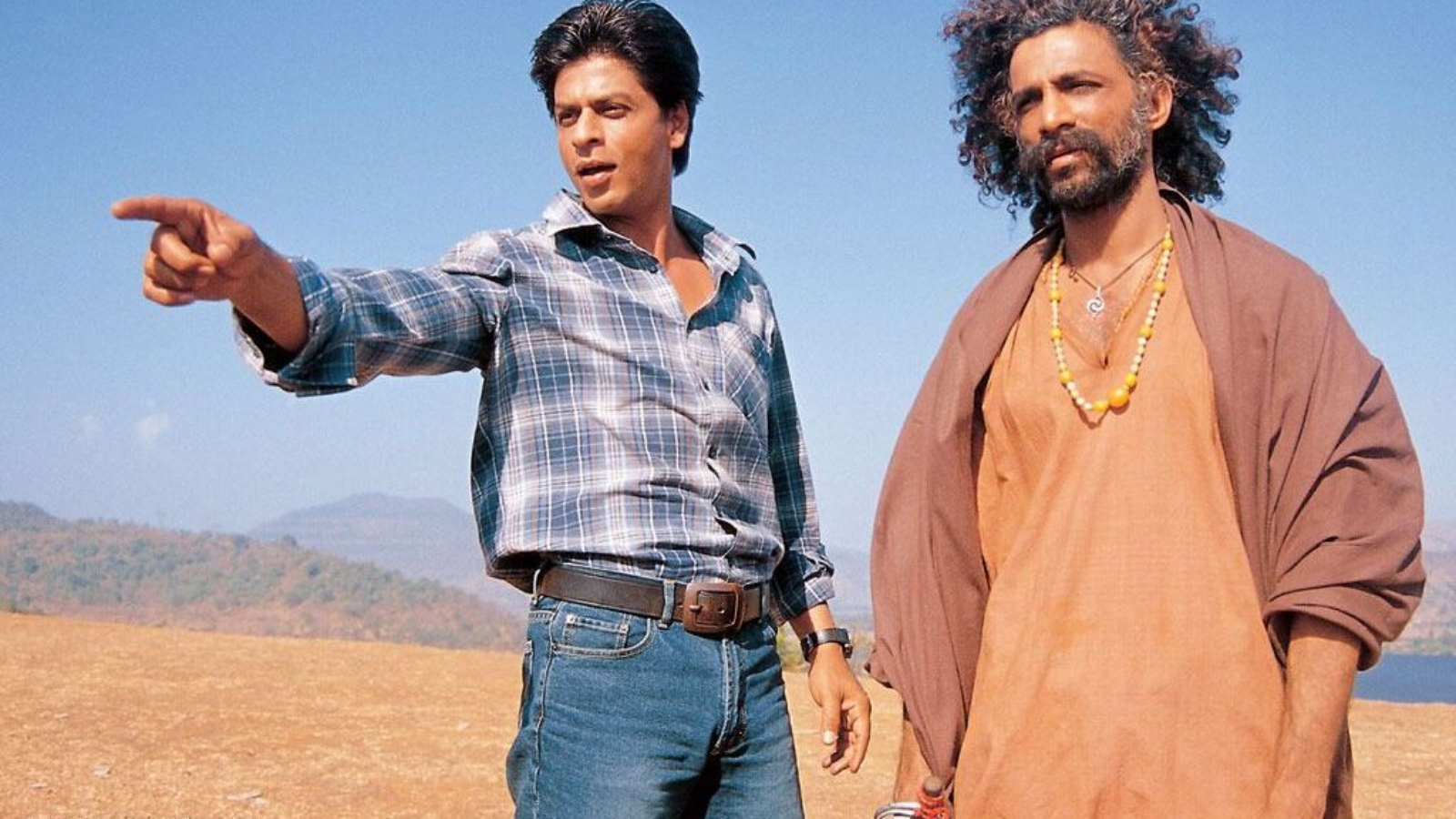
“Makrand Deshpande,” a renowned actor, playwright, and director, contributed significantly to the excellence of “Swades” with his compelling performance. He played the character of Melaram, a prominent village leader in the film. Melaram’s character added depth and authenticity to the village setting, and Makrand Deshpande’s portrayal was nothing short of remarkable.
Deshpande’s ability to immerse himself in his character and bring Melaram to life on screen showcased his exceptional acting prowess. His performance was pivotal in highlighting the cultural nuances and complexities of rural India, contributing to the film’s overall authenticity.
Makrand Deshpande’s presence in “Swades” added another layer of richness to the film’s ensemble cast, and his performance is a testament to his skill as a versatile actor.
Ashutosh Gowariker: The Visionary Director
“Swades” would not be the cinematic masterpiece it is without the vision and direction of Ashutosh Gowariker. A filmmaker known for his meticulous attention to detail and ability to tell compelling stories, Gowariker’s direction was instrumental in shaping the narrative of the film.
Gowariker skillfully depicted the contrast between urban America and rural India, highlighting the socio-economic disparities and the need for change. His ability to capture the essence of village life and the struggles of its people was integral to the film’s authenticity.
Under Gowariker’s direction, “Swades” became more than just a movie; it became a journey of self-discovery and social responsibility. His work on the film earned critical acclaim and reinforced his reputation as a director who brings realism and depth to his storytelling.
Incorporating the talents of Shah Rukh Khan, Makrand Deshpande, and the visionary direction of Ashutosh Gowariker, “Swades” emerged as a holistic cinematic experience that continues to inspire and resonate with audiences worldwide.
Love and Romance in “Swades”
“Swades” is not just a story of one man’s journey to reconnect with his homeland; it’s also a tale of love and romance that blossoms in the most unexpected of places. The chemistry between Shah Rukh Khan’s Mohan and Gayatri Joshi’s Gita is one of the film’s most heartwarming aspects.
Mohan, initially driven by his mission to bring electricity to the village, finds himself drawn to Gita, the schoolteacher. Their interactions are filled with subtle glances, meaningful silences, and a deep sense of connection. The romance between Mohan and Gita is a slow burn, and it’s refreshingly understated, setting it apart from typical Bollywood love stories.
As their relationship evolves, it’s a testament to the power of genuine emotions and the simplicity of love. The on-screen chemistry between Shah Rukh Khan and Gayatri Joshi is palpable, making the audience root for their love story. It’s a reminder that love can find its way into the most unexpected places, and that’s what makes “Swades” a deeply relatable and engaging film.
The Story: A Journey of Self-Discovery
At its core, “Swades” is a story of self-discovery. Mohan Bhargava’s journey from a successful NASA scientist to a man who rediscovers his roots is a transformational arc that resonates with audiences of all backgrounds. It’s a narrative that beautifully captures the internal conflict faced by many individuals who have left their homeland in pursuit of professional success.
Mohan’s journey is one of realization, as he witnesses the harsh realities of rural India. The stark contrast between the world he left behind and the one he encounters in the village is a poignant commentary on the socio-economic disparities within the country. This stark reality check triggers a powerful sense of responsibility in him, and it’s a turning point in the narrative.
The film uses Mohan’s character to explore broader themes of social responsibility, community development, and the importance of giving back to society. His journey of self-discovery is not just a personal one but also a reflection of the collective consciousness of the Indian diaspora, prompting many to rethink their roles in the development of their homeland.
Patriotism and National Identity
“Swades” is a celebration of patriotism and national identity. It’s a film that stirs the viewer’s love for the motherland and evokes a strong sense of responsibility towards the country’s development. Mohan’s journey, from a detached scientist to a dedicated change-maker, mirrors the transformation that the audience itself undergoes while watching the film.
The movie resonates with the idea that true patriotism is not just about waving the national flag but about actively participating in the growth and betterment of one’s nation. The call to action is subtle yet powerful, reminding us that each individual can make a difference, no matter how small their contribution may seem.
A Melodic Journey
“Swades” boasts a soul-stirring soundtrack that perfectly complements the film’s themes and emotions. Composed by the musical genius A.R. Rahman and penned by the lyrical maestro Javed Akhtar, the songs in “Swades” are more than just tunes; they are an integral part of the storytelling.
The songs, such as “Yeh Jo Des Hai Tera” and “Pal Pal Hai Bhaari,” capture the essence of longing, belonging, and the deep-rooted love for one’s homeland. They have the power to transport the audience to the heart of the village, making them feel the emotions of the characters on screen.
The Impact of “Swades”: A Timeless Classic
“Swades” is more than just a film; it’s a timeless classic that has left an indelible mark on Indian cinema. Released in 2004, the movie continues to inspire and resonate with audiences around the world. Its impact can be attributed to several key factors.
1. Social Responsibility and Change
The film’s central theme of social responsibility struck a chord with viewers. “Swades” emphasized the importance of individual contributions to society and encouraged a sense of responsibility towards the nation’s development. It inspired many to engage in social initiatives and work for the betterment of rural India.
2. Shah Rukh Khan’s Iconic Performance
Shah Rukh Khan’s portrayal of Mohan Bhargava is often regarded as one of his finest performances. The actor’s ability to convey a wide range of emotions and his realistic portrayal of a man on a transformative journey earned him critical acclaim. Khan’s dedicated performance contributed significantly to the film’s success.
3. Authentic Storytelling
“Swades” is known for its authentic storytelling. Director Ashutosh Gowariker’s meticulous attention to detail, the realistic portrayal of rural India, and the compelling narrative made the film relatable to a broad audience. The movie’s success lies in its ability to depict the harsh realities of rural life while simultaneously showcasing the warmth, resilience, and hope of its people.
4. Timeless Music
The film’s soundtrack, composed by A.R. Rahman and featuring the lyrical magic of Javed Akhtar, continues to be cherished by music enthusiasts. The songs evoke a deep sense of nostalgia and love for the homeland. They are a testament to the lasting impact of “Swades.”
5. Global Relevance
“Swades” transcends cultural boundaries. While its narrative is deeply rooted in India, the themes of self-discovery, social responsibility, and the importance of giving back are universally relevant. This has enabled the film to connect with audiences worldwide.
“Swades” remains a cinematic masterpiece that combines Shah Rukh Khan’s brilliant performance with a compelling narrative, unforgettable music, and a powerful message of social responsibility and patriotism. It’s a film that encourages viewers to look beyond their personal ambitions and consider their role in society’s development.
In “Swades,” Shah Rukh Khan’s portrayal of Mohan Bhargava, along with the contributions of other talented artists, resulted in a cinematic gem that continues to inspire generations. As the story of love, self-discovery, and patriotism unfolds, it leaves an enduring impact on the hearts of all who watch it.
“Swades” is a reminder that cinema has the power to move and motivate us.